
For most families, Independence Day is remembered for the sparklers, the cookouts, and the finale that lights up the night sky. But for an unlucky few, it's remembered as the night their hearing changed forever.
"The 4th of July is one of the few nights of the year when most of us are standing closer to genuinely dangerous noise levels than we realize," said Dr. Sarah Kate Fisher, audiologist and co-owner of Alabama Hearing Associates. "The frustrating part is how preventable this is. Hearing protection can be the difference between a great memory and permanent hearing loss for all the wrong reasons."
A single firework, set off just a few feet away, can do permanent damage to the inner ear in an instant. Noise-induced hearing loss doesn't heal. Once the delicate hair cells inside the cochlea are damaged, they do not grow back. That's why Alabama Hearing Associates is reminding the community that one moment of celebration, without the right protection, can carry a lifetime of consequences.
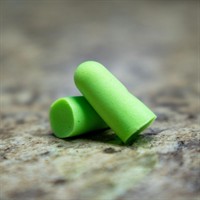
The good news: protecting your hearing this holiday weekend doesn't mean skipping the show. Audiologists point to a wide range of options to fit every type of summer activity. For a backyard show or a neighborhood display, simple foam earplugs offer an inexpensive, effective first line of defense and are widely available at any pharmacy. For hunters heading out before or after the holiday, over-the-ear earmuffs provide stronger protection against repeated gunfire, and many newer styles fold for easy transport between blinds. For those who want to protect their hearing without missing a beat of conversation around the grill or at the lake, high-tech in-ear devices — like those made by SoundGear — use digital technology to dampen dangerous impulse noise from fireworks or firearms while still allowing everyday speech to come through clearly. Choosing the right option often comes down to the activity, the noise level, and how long someone expects to be exposed.
The numbers behind the noise:
-
Fireworks routinely produce sound levels between 140 and 175 decibels at close range — loud enough to rival a jet engine at takeoff or a gunshot.
-
The World Health Organization recommends adults avoid peak sound exposure above 140 decibels, and children above 120 decibels; at a 170-decibel firework, that means standing back at least 50 to 65 feet to reach a safer level.
-
According to the National Institute on Deafness and Other Communication Disorders, any impulse sound over 120 decibels can cause instant, permanent inner-ear damage — meaning harm can occur well before a sound even feels painfully loud.
-
The WHO estimates that more than 1 billion people ages 12 to 35 worldwide are already at risk of hearing loss due to recreational noise exposure, a number that climbs every summer with concerts, fireworks, and outdoor events.
If you're interested in exploring high-end hearing protection options, including custom-fit, high-tech solutions like SoundGear, Dr. Hollie Green can help. She's available for appointments at the Florence office. Call ahead to schedule a consultation before the holiday weekend or your upcoming noisy (but fun!) summer activities.
Alabama Hearing Associates, Inc.
-
Daniel Beals The Foundry Creative - Marketing
- June 19, 2026
- (256) 319-4327
- Send Email